
 FR
FR
 Sign In



 Done!
Done!





 Link copied
 Share via Email
AT A GLANCE
- Fort Albany Women’s Shelter faced a gap in care for women and children. Once they left the shelter, the women had few options for where to go.
- With support from Chief and Council, shelter director Margaret Keesic led a funding application to the Indigenous Shelter and Transitional Housing Initiative.
- The successful application led to the creation of 7 transitional housing units and more options for women in Fort Albany and surrounding communities.
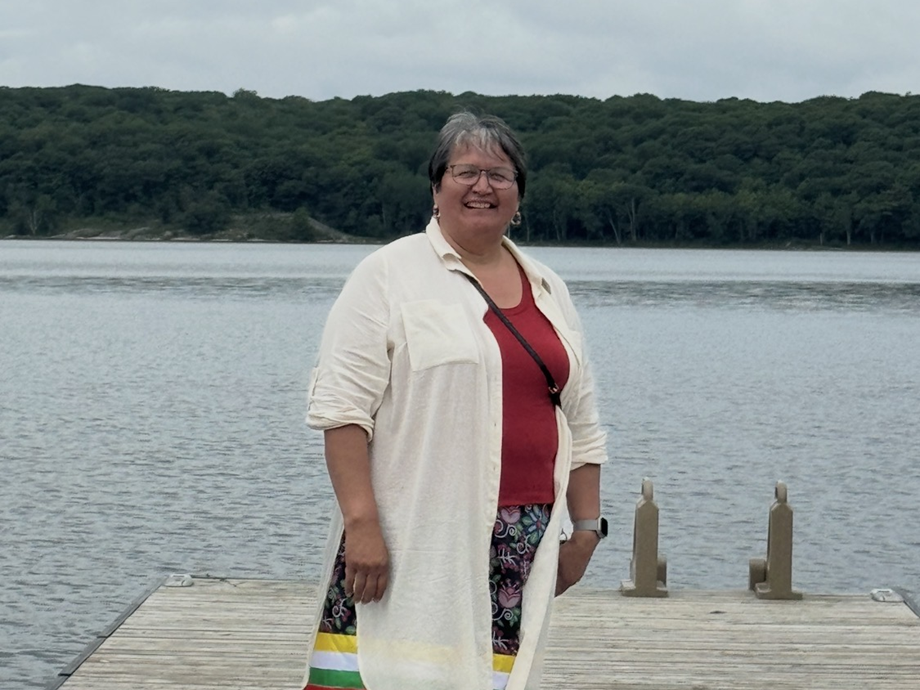
When a new client is referred to the Fort Albany Women’s Shelter, Margaret Keesic understands their journey better than most.
Margaret is a survivor of gender-based violence.
“From where I was, there’s no shame, because of where I am today,” says Margaret.
As shelter director, Margaret leads with compassion and kindness.
“I try to empower those that have been where I was many years ago.”
The shelter opened in 2010 and provides an essential service. Yet over time, it became clear that there was a gap in the care the women were receiving.
“Once people were done at the shelter, they had no place to go,” noted Elizabeth Kataquapit, Chief of Fort Albany First Nation from 2022 to 2025.
Breaking the cycle
With no transitional housing options in Fort Albany, women would often return to the same situation where they had experienced the violence.
Frustrated, Margaret asked herself, “What are we going to do? They keep coming here for help and we didn’t have a place for them to go.”
That’s when she came across CMHC’s Indigenous Shelter and Transitional Housing Initiative.
With support from the community’s leadership and a dedicated team, Margaret led Fort Albany’s funding application for 7 transitional housing units.
The goal was to support women in Fort Albany and surrounding communities who were ready to leave the shelter and needed time to work toward a permanent housing solution.
The application was approved. But the biggest challenge lay ahead.
Waiting for winter access
Fort Albany is a remote community in Northern Ontario, about 600 kilometres north of Sudbury, on the shores of Hudson’s Bay. For most of the year, the community is primarily accessed by air. During the winter months, the James Bay Winter Road connects the communities of Attawapiskat, Fort Albany and Kashechewan to Moosonee. This is done through the annual construction and maintenance of an ice road.
To prepare for the winter delivery, Margaret and the team mobilized equipment, materials and a workforce. The first step involved securing space on the train for the 5-hour journey from Cochrane to Moosonee. The train represents a key link in the supply chain for remote communities in Ontario. Securing space on the train can take several weeks.
On arrival in Moosonee, the team stored the building supplies in a holding area until the weather was cold enough to support the transport trucks for the 3-hour journey to the community.
The project was a true team effort. Margaret worked with Dobson Contracting, Mushkegowuk Council, Chief and Council and the community, to get everything into the community before the winter road closed.
“We barely made the season,” says Margaret.
“In the last few days of the road, we got in our water and sewer materials. If we didn’t make it, we would have had to wait until next year.”
A first for the program, providing more options for women in need
Despite the community’s construction challenges, Fort Albany Transitional Shelter is the first to be built and become operational under the program.
The community is extremely proud of this achievement.
Current Chief Robert Nakogee says the project demonstrates what can happen when everyone works together. He commended Margaret on everything she has accomplished, particularly her work with partners.
“We are grateful to our partners for supporting this important project and we are particularly thankful for the dedication and commitment demonstrated by the Women’s Shelter Director and her team in creating more housing opportunities and support for our members.”
The transitional homes are now fully occupied, and Margaret is pleased to see the reactions from the residents.
“They are very excited to be in there and have a space of their own,” she says.
Reflecting on her own journey, “I wouldn’t have thought 25 years ago when I was experiencing this, that I would be running the same type of shelter that I used to walk into, broken with no place to go with nothing on my back.”
Speaking to what the new transitional housing units bring to the community she says, “It means so much to create more housing options to help women in these situations heal and build a better life for themselves and their families.”
KEY FACTS
- Fort Albany First Nation developed 7 transitional housing units with support from the Indigenous Shelter and Transitional Housing Initiative. The initiative was launched in November 2021 to support the construction of additional shelters and transitional homes for Indigenous women, children and 2SLGBTQQIA+ individuals fleeing gender-based violence.
- The Fort Albany transitional shelter provides a mix of 2 and 3-bedroom units, including 2 units for people with mobility challenges. During their stay, residents receive a continuum of care to support their journey toward family wellness.
- Ongoing operational support for the Fort Albany’s transitional shelter is provided by Indigenous Services Canada.