
 FR
FR
 Sign In



 Done!
Done!





 Link copied
 Share via Email
September 18th, 2026
AT A GLANCE
- Extreme weather events are impacting Canadian homes, many of which were not built to withstand the intensity and complexity of today’s fast-changing climate.
- In partnership with Durham Region, Ontario-based Windfall Ecology Centre has developed a Weather-Ready Assessment Protocol to protect homes and residents from issues such as extreme heat, cold, wind, flooding and wildfire smoke.
- The protocol received the 2025 Gold Roof Award for Knowledge to Action.
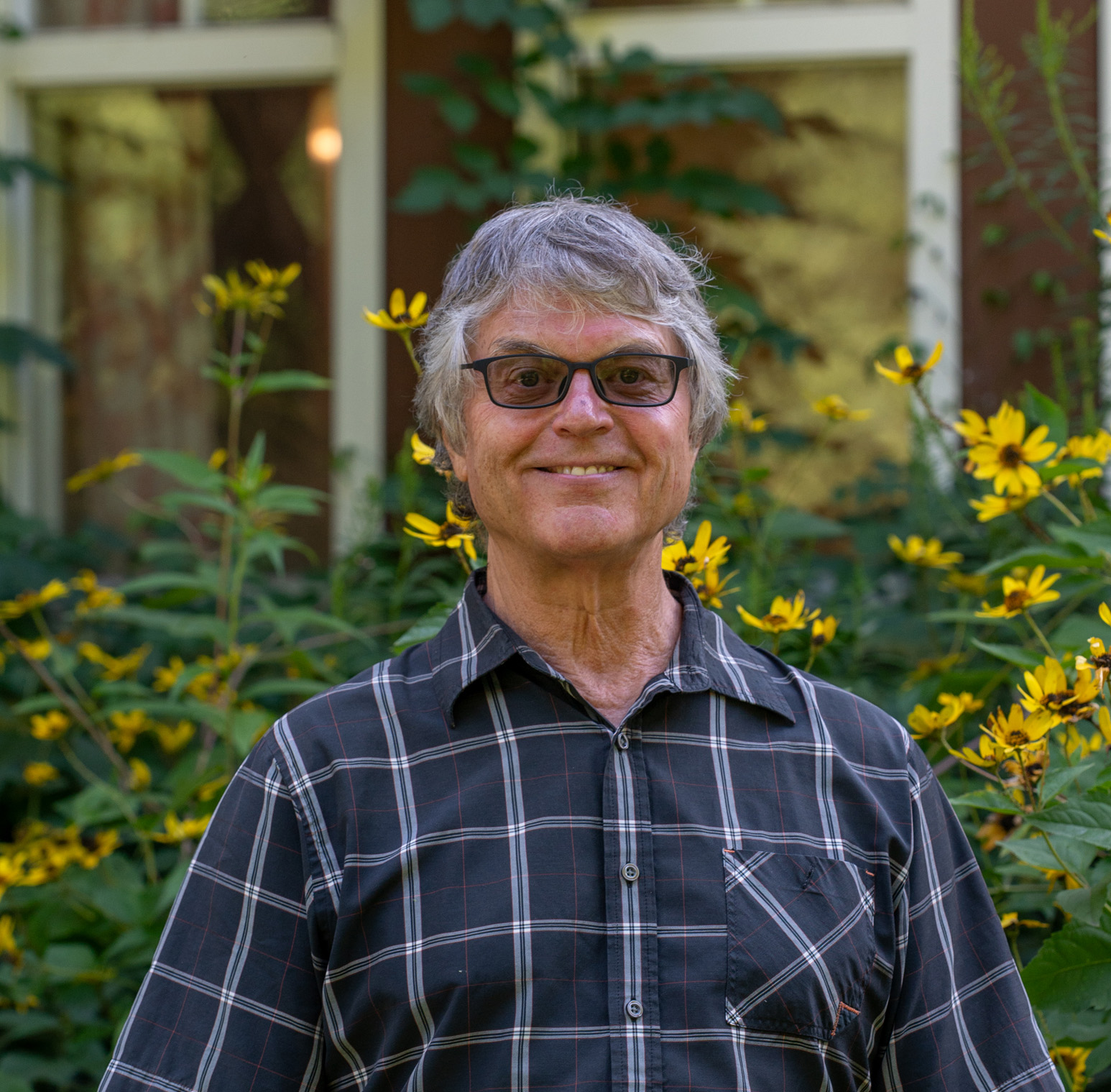
Brent Kopperson couldn’t help but notice the poor air quality. It was the late 1980s and he was a private pilot flying over the Toronto area.
“A yellow pall just hung over the city from the coal fire generating plants and other pollution coming up from south of the border,“ says Brent. “I was flabbergasted that people weren’t paying attention to this.”
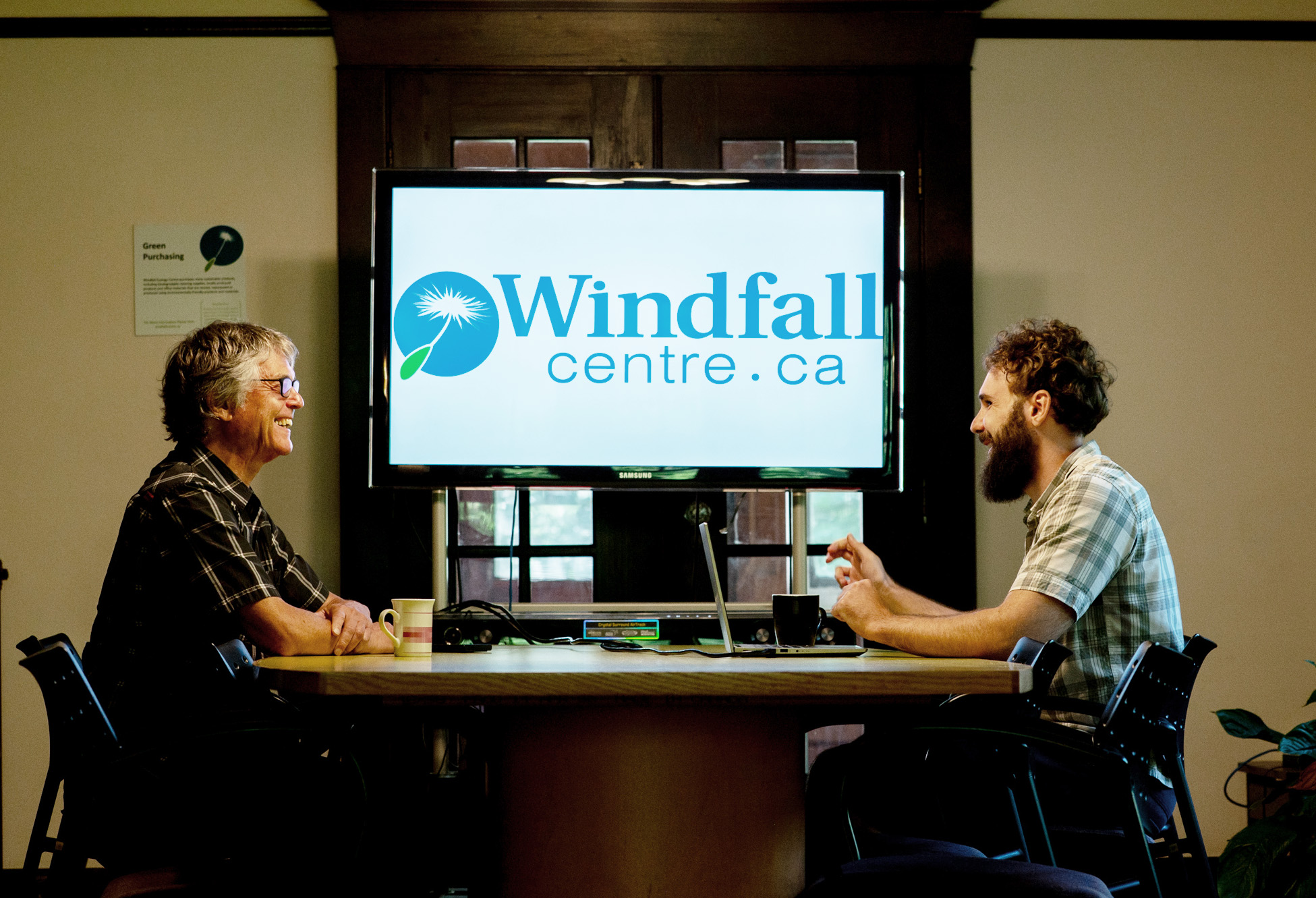
Diving into the emerging field of climate science Brent founded 2 organizations. The Windfall Ecology Centre’s mission is to build sustainable communities by conserving resources, preventing pollution, and protecting and enhancing natural ecological process. The Ontario Sustainable Energy Association was created to help move “policy mountains.”
Thousands of coal plants have since closed.
“Today, the threats are not so visible,” he says.
Over the past 25 years, Windfall has created and delivered a wide range of programs, tools, and solutions for municipalities, homeowners, and community organizations.
“I really believe that climate solutions have to be community-based to activate people and achieve any kind of social license,” says Brent.
It’s a path that has led to a first-of-its-kind climate-ready assessment tool for landlords and residents. The tool was developed in partnership with Durham Region and won the 2025 Gold Roof Award for Knowledge to Action.
Closing the gap
Windfall has led many projects related to water and energy conservation including:
- Restoring decommissioned hydro projects in communities across Ontario
- Reducing phosphorous levels in Lake Simcoe via stormwater management
- Delivering Canada’s EnerGuide for Houses program
- Delivering the Well Aware program to encourage safe and responsible well water use and management
”There are all these things going on in the environment, climate threats… energy addresses this one thing, but how do we address everything else?” says Brent.
The need for an all-hands-on-deck approach also became clear.
“It’s only relatively recently that municipalities started declaring their climate emergencies,” says Brent.
Many municipalities had community energy plans and climate adaptation plans. Declaring a climate emergency accelerated their implementation.
“That's when the engagement with organisations like ours really started to happen,” says Brent.
The climate-health connection
“We knew we had to do something for our existing housing stock,” says Ian McVey, director, environment and climate, Durham Region.
Located on the east side of Greater Toronto, Durham Region is home to approximately 812,000 residents across 8 municipalities.

The housing mix includes historic rural homes, post-war homes, newer subdivisions and high-density development. Much of the stock was built during different climate conditions and is not equipped for today’s weather-related risks.
Durham Region developed its first climate change strategy in 2012. This was followed by a Community Climate Adaptation Plan in 2016, and a Community Energy Plan in 2018. Each of these plans identified the need to support residents with home renovations that reduce weather risk and improve energy efficiency. In 2022, funding from the Federation of Canadian Municipalities kick-started Durham’s Greener Homes Program and a close working relationship with Brent’s team.
“We had the solution in a package,” says Brent.
Kicking off with a focus on energy assessments and emissions reductions, climate resilience was the natural next step.
“Durham Region has responsibilities for protecting and promoting community health. We do things like heat monitoring, and monitor vector-borne disease, so we have responsibility for a broader awareness around climate risk and how people can access services,” says Ian. “In the event of an extreme weather emergency, we provide that frontline protection in coordination with other public agencies.”
Climate events do not impact everyone in the same way and certain populations are unduly impacted.
“Higher income people have the resources to take care of themselves in the event of a crisis and so we wanted to focus on the older homes and lower income areas that may face more significant barriers.”
Not rocket science
Brent says identifying regional climate risks was simple, “We only had to see what was going on in our communities.”
Ian agrees. Durham Region completed modeling and risk assessments as part of the Climate Adaptation Plan. “Ultimately, it’s not rocket science. We’re seeing it in real time.”
“The big thing is extreme heat,” Ian continues “We are a hot and humid climate in the summer and a lot of homes, particularly single-family homes built with older energy codes have vulnerabilities, as well as the older multi-unit residential buildings that house residents that may be more at-risk to heat, including lower-income seniors.”
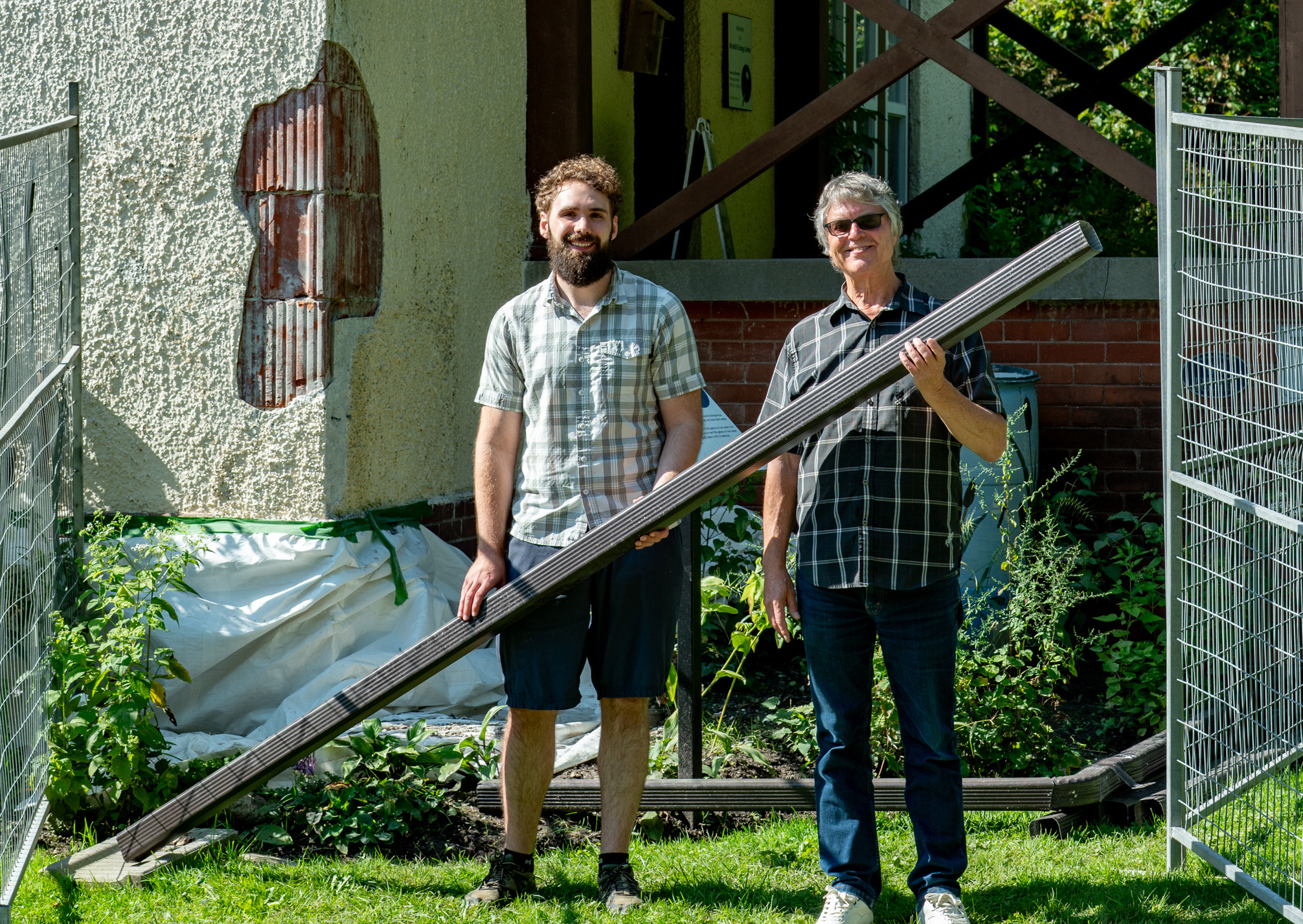
Flooding is a concern, particularly for occupied basements. And while less of a concern than in other areas of Canada, wildfire and smoke causes a wide range of health issues.
“We also have a number of tornado-type events as well as ice storms that have led to significant property damage and power outages.”
Developing the Weather-Ready Home Assessment Protocol
Kyle Mennie is operations director at Windfall. He was closely involved in the development and delivery of Durham’s Greener Homes Program and is ideally positioned to expand the program to include climate resiliency.
“We worked closely with Durham and other research partners on a landscape scan on what other assessments had been doing across Canada,” says Kyle.
“We tailored the assessment to Durham’s observed hazards in the community and regional projections, including extreme heat, ice storms, extreme wind, wildfire smoke and indoor air quality.”
Durham also engaged a diverse cross section of residents to ensure the tool would support their needs.
The goal was to find a balance between the most effective use of the assessor’s time and how much a resident could realistically implement.
“We wanted to develop a mix of maintenance work, some do-it-yourself work, some low-cost retrofits and some high-cost retrofits,” says Kyle.
Windfall’s energy advisors and rain assessment advisors were cross-trained to become “weather-ready advisors.”
Just as they were ready to pilot the initiative, Durham suggested Windfall apply for the Housing Research Awards.
“The leadership in Durham has been really incredible,” says Brent. “It was kind of perfect timing.”
During the pilot phase Windfall reached out to Greener Homes program participants in Durham who had completed the energy efficiency stream.
How a home is assessed
The one-on-one assessment takes 60 to 90 minutes and is offered on-site or in a virtual format. An advisor walks around the exterior of the home and the basement with the resident, discussing areas of concern, taking photos and exploring solutions.
Various aspects such as foundations, cooling and ventilation systems and landscaping are graded as a ‘Priority action required,’ ‘Consider improvements,’ or ‘Best case.’
The assessment wraps up with a discussion around emergency preparedness as well the location of cooling centres in case of electrical failure.
A detailed report outlining key risk areas and recommended improvements follows. Loans are available through Durham for energy-related items. Discussion is underway to also include a wider range of climate upgrades.
Several families that participated in the pilot phase have already started upgrading their homes. “One family has installed window well covers and improved grading around the foundation by adding soil, with plans to upgrade their roof and eavestrough next year,” says Kyle. “And another homeowner is using a local municipal incentive grant to add permeable pavement to their driveway.”
Now available to all Durham residents, Windfall is balancing community support and program delivery with scaling the assessment protocol.
“We’ve been talking with York Region and Toronto and there are a lot of other areas around the GTA that might be interested in adopting something similar,” says Kyle.
Windfall’s ambition is “not to deliver resilience programs in every municipality across the country,” says Brent. “Our ambition was to create a protocol that was standardised. It was designed to be shared.”
A living project
As the protocol evolves, several enhancements are planned or underway:
- a scoring rubric to rate the resilience of a building
- multi-unit residential building assessments
- new build assessments
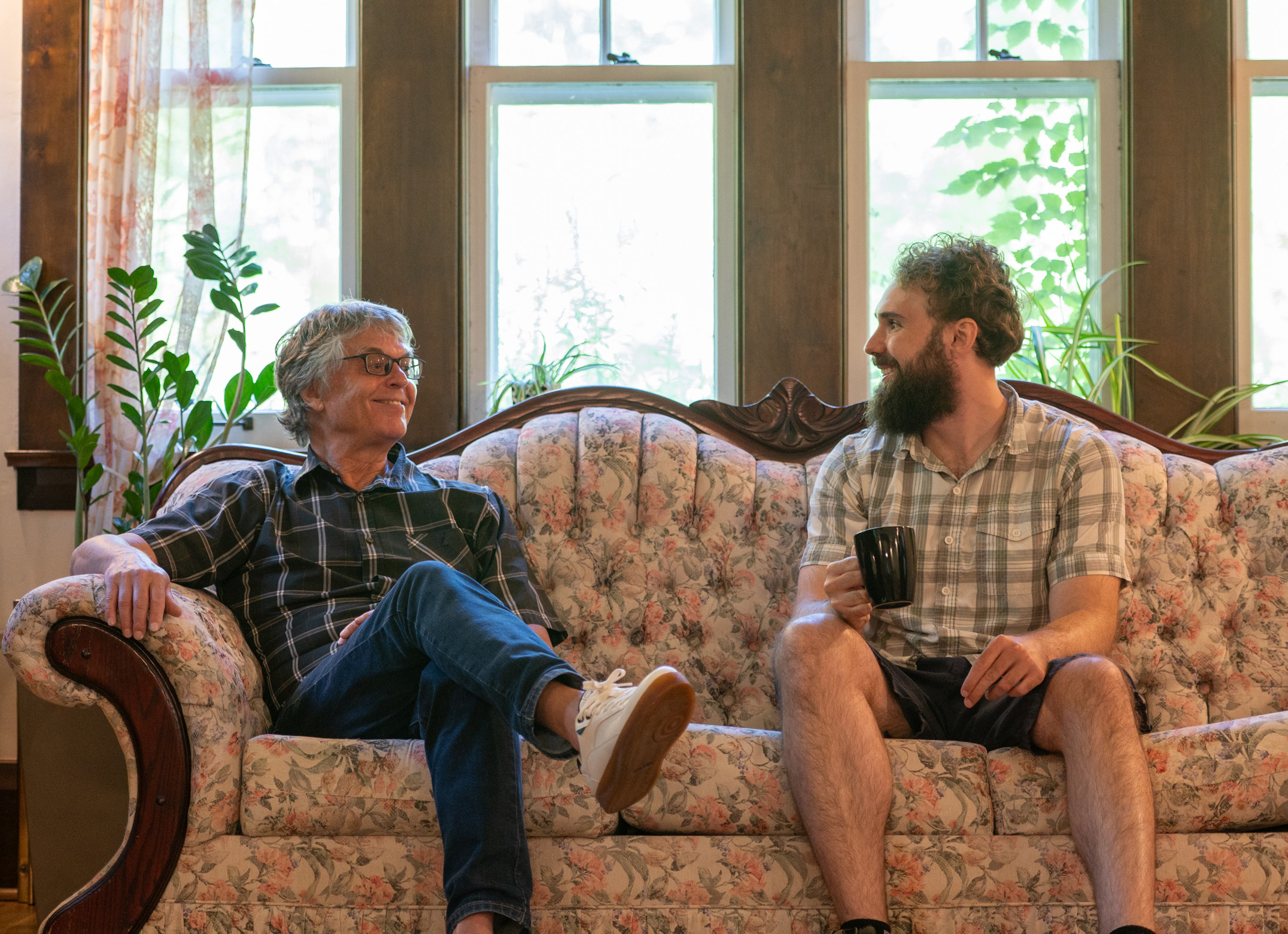
Support at both the local and national levels through the Federation of Canadian Municipalities will be key to growth, says Brent. Equally important is Windfall and Durham Region’s ongoing awareness and educational work at the individual and community levels.
“There's no silver bullet,” says Brent. “We have to respond on many different levels — emotional, generational, financial. Frankly, the financial one directs most of the action. One of the things I've learned is that if you can get somebody to take an initial step, that's the hardest step. Once somebody makes a first step and gets a positive result, then they're looking for what's next. And I think that's kind of the secret of moving people along a path to net zero and resilience.”
KEY FACTS
- Windfall Ecology Centre received the 2025 Gold Roof Award for Knowledge to Action. The award recognizes initiatives that close the gap between what is known from excellent research and what is done with that knowledge in the housing sector.
- Durham Region’s Greener Homes Program was developed in partnership with Windfall Ecology Centre. The program assesses several aspects of a home including energy efficiency, flood protection, heat protection and wind resilience. Support for upgrades is available through low-interest loans and weather-ready rebates.